If you have ever taken a hearing aid out mid-walk because it felt like too much, you are not alone. Comfort during physical activity is one of the bigger complaints people have about their devices, and it is usually what brings the open-fit conversation up in the first place.
These styles sit lightly in the ear, let more natural sound through and tend to feel less like something you are wearing, which makes them popular with people who are on the move throughout the day in places like the Hudson Valley where staying active is just part of life.

But comfortable and right are not always the same thing. Open-fit hearing aids work beautifully for some people and fall short for others, and the difference usually comes down to the specific nature of your hearing loss rather than your activity level.

The right fit is the one that works for your specific hearing loss and holds up through the way you actually live, and sometimes those two things point you in a different direction than you expected.

How an Active Lifestyle Affects Your Hearing Aids

Living an active life means your hearing aids face different challenges than they would if you spent most of your day sitting at home. Movement often brings you into environments where wind, moisture and sudden motion can impact how well you hear.

Certain environmental factors and your body movements can interfere with standard devices when you are on the go:

  • Wind noise that can sound like rushing air when you are walking or biking outside
  • The occlusion effect, which can make your own footsteps sound loud or distracting
  • Devices shifting during higher-impact activity like jogging or aerobics
  • Sweat or light rain can get in and affect how well the device performs

Taking these factors into account helps you find something that fits your lifestyle. It comes down to choosing what feels comfortable while still working the way you need it to.

How Open-Fit Hearing Aids Function and Improve Sound

Open-fit hearing aids use a specific design to keep your ear canal as clear as possible while still helping you hear. These devices usually sit behind your ear and use a very thin tube or wire to send sound into the canal.

This setup allows many sounds to enter your ear naturally instead of being blocked by a large plastic plug. People who use this style often feel that their daily conversations sound much more natural than they do with older models.

The design provides constant ventilation, helping your voice sound normal to you. Without a heavy seal in the ear, you avoid that annoying echo or plugged sensation that often comes with other styles.

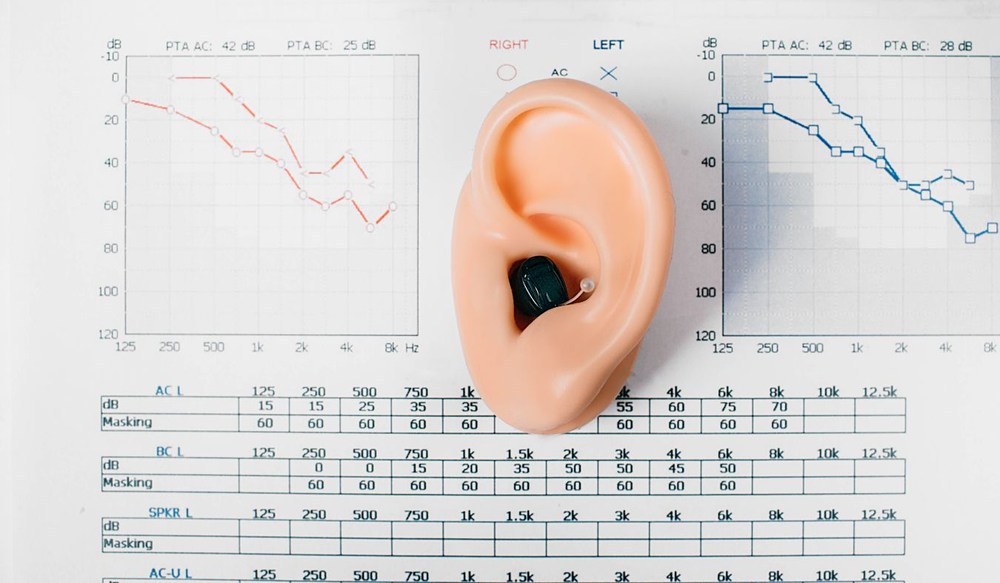
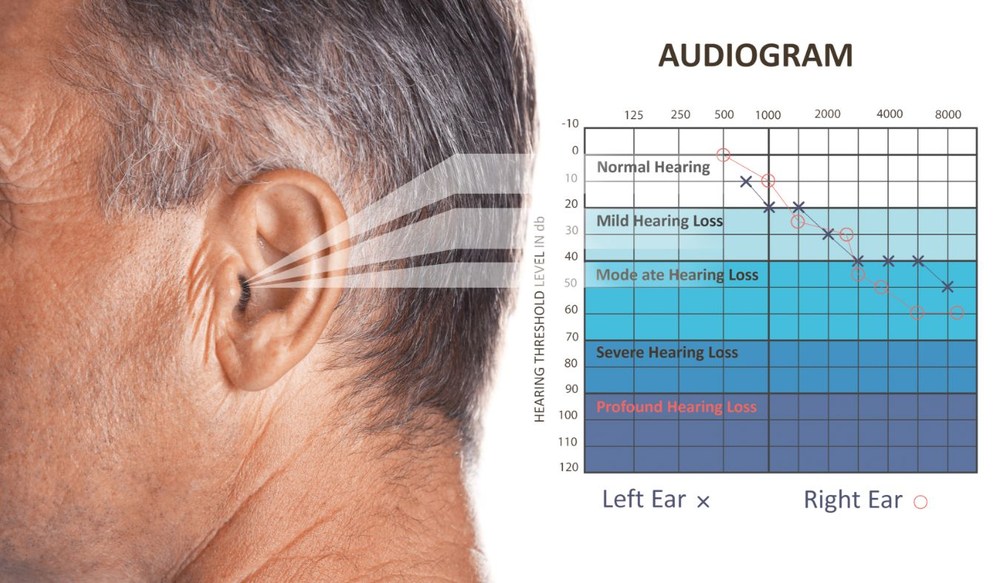
This approach is very helpful for people who struggle with high-pitched sounds but can still hear low tones fairly well.

Staying Comfortable and Secure During Activities

Staying active is much easier when you do not have to worry about your hearing aids falling out or causing pain. Open-fit hearing aids are built to be very lightweight and sit securely behind your ear.

This design helps the devices stay in place during a morning jog, a yoga class or a long hike. You can focus on your fitness goals instead of constantly checking whether your devices are still there.

Finding a secure fit is a top priority for people who enjoy being active. These hearing aids use small tubes and tips that grip the ear canal gently without feeling tight or heavy.

This stability means you can move your head or change positions quickly without any shifting. Wearing them feels natural even during a long day of movement or exercise.

Managing Moisture with Open-Fit Hearing Aids

Humidity and sweat are common parts of life in the Hudson Valley, especially when you are out on the trails or walking through the hills. A morning hike can lead to moisture buildup if you are pushing yourself during a workout.

Local weather can change from cool to humid in a matter of minutes. You need a solution that handles these shifts, so your hearing aids stay functional throughout your entire day.

The ventilation found in open-fit hearing aids helps air circulate freely around your ear canal. This airflow prevents sweat from becoming trapped, which often causes itching or physical discomfort.

Regular cleaning helps maintain this airflow, so you can keep moving without any performance issues.

Wireless Connectivity and Technology Features

Today’s open-fit technology often connects directly to your smartphone or fitness tracker, which removes the need for separate headphones. This setup allows you to switch between listening to your surroundings and hearing digital audio without any extra steps.

You can stream several types of helpful audio directly through your hearing aids while you are on the go:

  • GPS directions while cycling or driving
  • Heart rate alerts or performance updates from your fitness tracker
  • Podcasts and music playlists during a morning run or gym session
  • Phone calls that stream directly to your ears for hands-free talking
  • Volume adjustments and setting changes through a mobile app

Effects of Open Fit Hearing Aids on Outdoor Activities and Sports

Open-fit hearing aids are an excellent option for anyone who spends a lot of time outside or playing sports. They allow you to hear environmental sounds like approaching cars, bicycle bells and other people on the trail.

This keeps you connected to your surroundings and helps you stay safe while you are moving. The physical design is light enough that you may forget you are even wearing them during a long day of exercise.

Wind can sometimes cause a rushing noise when you are moving fast or if it is a particularly breezy day. Many open-fit designs include special features that help reduce this interference so you can focus on your game or your workout.

Communicating Clearly in Noisy Places While Being Active

Communicating in noisy places is often difficult, especially when you are active. Open-fit devices help you hear speech more clearly, even when background sounds are loud.

If you play sports or work out in a busy gym, these hearing aids are designed to pick up voices more clearly and cut down some of the background noise. That makes it easier to talk with teammates or friends without everything around you getting in the way.

Some open-fit models also let you switch settings depending on where you are, whether you are in a quiet park or walking through a crowded street. It helps you keep up with conversations while staying active.

Tips for Maintaining Your Open-Fit Hearing Aids

Regular cleaning is important because dust, earwax and moisture can build up and affect how well you hear. If you ever feel frustrated by small issues, know that many people experience similar minor setbacks that are usually easy to fix.

Following a few simple habits each day will keep your devices in great condition:

  • Wipe the exterior of the devices with a soft, dry cloth every night to remove skin oils.
  • Check the slim tubing for any signs of blockages or wax buildup that could muffle sound.
  • Store your devices in a drying container or dehumidifier overnight to pull out moisture from sweat.
  • Replace the small rubber tips or domes every few months to maintain a comfortable fit.
  • Keep your hearing aids in a safe, cool place away from pets and direct sunlight.

Questions for Your Specialist and Comparing Hearing Aid Styles

Talking with a hearing specialist helps you determine if an open-fit model is the right choice for your specific type of hearing loss. While these devices are great for high-frequency issues, a professional can tell you how they compare to other styles that offer a different fit.

Trying different options helps you notice what actually feels good during a long walk or a busy day at work. It gives you a better sense of what feels comfortable and how you move through your day.

You should ask how different models stack up in terms of battery life and moisture resistance. It is also helpful to discuss how well this style handles background noise or if it will stay in place during high-impact exercise.

Choosing the Right Hearing Aid for Your Active Lifestyle

Open-fit hearing aids are a genuinely good option for a lot of active people, but the only way to know if they are right for you is to look at the full picture, your hearing loss, your daily routine and how the two interact.

That is exactly the kind of conversation we have every day at Hudson Valley Hearing Aid Center.

We have locations in Lake Katrine, Poughkeepsie and Rhinebeck, NY. Give us a call at (845) 481-9267 and let us take a look at what makes the most sense for where you are and how you live.