Thanksgiving is still a few weeks away, but plenty of families around the Mid-Hudson Valley are already planning the drive. Maybe you’re heading down the Thruway to see relatives or catching a flight out of Stewart.

Travel days usually mean early alarms, a packed car or carry-on and at least one stop where everyone heads in different directions. It’s easy to take your hearing aids out for a nap in the passenger seat or while washing up at a rest stop. Then you’re back on the road before you realize they’re not in their case.

Travel is hard on hearing aids in ways people don’t always expect. They get tucked into coat pockets, wrapped in napkins or set on a nightstand in a guest room. Chargers get left plugged into the wall at home, and spare batteries end up in the wrong bag.

Swings in temperature between a cold car and a warm house can add moisture to the mix. Losing or damaging a hearing aid while you’re away also means spending the holiday trying to follow conversations without it.

Packing Hearing Aid Supplies for Travel

Hearing aid supplies are easy to forget because most of them are small. The problem is that a missing charger, spare battery or wax guard becomes much harder to replace once you are already on the road.

Keep the essentials in your carry-on or personal bag instead of checked luggage. That way, they stay with you if your bags are delayed and are easier to reach during a long travel day.

Here’s what to throw in your bag before you go:

  • Extra batteries, or your charger and the plug that goes in the wall
  • A portable battery pack, if your charger can run off one
  • Your cleaning brush and some extra wax guards
  • Spare domes, if you’re the one who usually changes them

Using a Case and Locator Features While Traveling

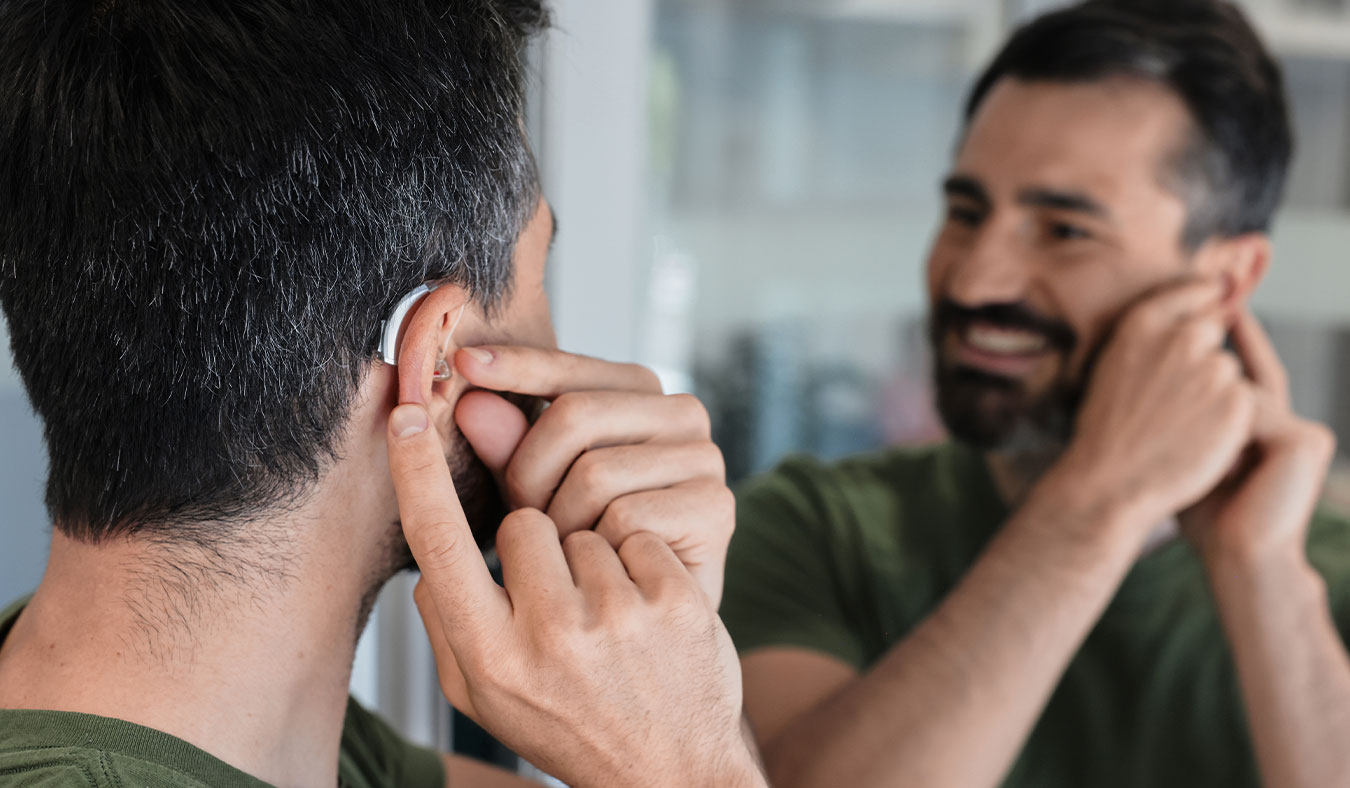
A hearing aid case gives you one consistent place to put your devices whenever they are not in your ears. A hard case also protects them better inside a crowded purse, backpack or suitcase.

Pick something easy to spot instead of a case that disappears into hotel bedding or the bottom of a dark bag. The bigger benefit, though, is getting into the habit of using it every time you take the hearing aids out.

Some hearing aid apps also include a locator feature that shows where the devices were last connected to your phone. Not every model offers this, so check your app before the trip and make sure you know how the feature works.

Traveling Through Airports and Long Transit Days

You generally do not need to remove hearing aids just because you are going through airport security. Keeping them in place also makes it easier to hear instructions and announcements while you move through the checkpoint.

Long flights and train rides create a different problem. If you take your hearing aids out to sleep, do not set them on the tray table or tuck them into a seat pocket.

Put them straight into their case instead. Small devices disappear quickly in blankets, jackets and the clutter around a seat.

Keeping Hearing Aids Safe at Rest Stops

Quick stops are where people tend to set things down without thinking. A sink counter, restaurant table or bench seems harmless until you walk away and realize the hearing aids are still sitting there.

If you need to remove them, put them directly into their case rather than a loose pocket. Zippered bags are also safer than coat pockets, especially when you are reaching in and out for keys, a wallet or your phone.

A simple routine helps here. Before leaving a rest stop or restaurant, check that both hearing aids are either in your ears or inside the case.

Setting Up Your Hotel Room for Hearing Aid Care

Once you arrive, choose one spot in the room for your hearing aids and keep using it. A nightstand or desk works well for your charger, case and cleaning supplies.

Using the same place every night keeps the devices from ending up on bathroom counters, under pillows or mixed into clothing. Unfamiliar rooms make small things much easier to misplace.

If you sleep without your hearing aids and need accessible alerts, ask the hotel what communication-accessible features are available. Hotels may provide rooms or equipment with visual alarms and other notification features for guests who are deaf or hard of hearing.

Keeping Hearing Aids Away From Pets and Children

Family visits often mean hearing aids are sharing space with pets, children and a lot more activity than usual. Dogs sometimes chew hearing aids because of the scent from earwax and skin oils, especially if the devices are left within reach.

Small children create a different problem. Hearing aids and batteries are tiny enough to be picked up, dropped or put in a mouth before anyone notices. That makes safe storage important whenever the devices are out of your ears.

Use the case every time you take them out and keep it somewhere pets and children cannot reach. A zipped bag, high shelf or closed drawer works better than a coffee table or open nightstand.

Protecting Hearing Aids From Dampness

Late fall in the Mid-Hudson Valley often brings cool, damp weather and quick changes between outdoor air and heated indoor spaces. Hearing aids move through those temperature changes right along with you.

Moisture from sweat, drizzle or damp air can collect around microphone openings and other exposed areas. Coming back into a warm room after spending time outside can also leave the devices feeling damp.

If your hearing aids get wet, wipe away the moisture and let them dry according to the instructions for your model. A travel drying system or desiccant container is also useful if damp weather is a regular part of the trip.

A hat or headband helps protect the devices from wind and light moisture outdoors. Choose one that fits loosely enough that it does not rub against the microphones or press the hearing aids out of place.

Keeping Your Hearing Aids Clean and Working While You’re Away

Travel is rougher on hearing aids than a regular day at home. You’re sweating in a crowded airport, pulling hats and scarves on and off and handling your hearing aids a lot more than usual. All of that leaves behind wax, lint and dust that can build up faster than you’d expect.

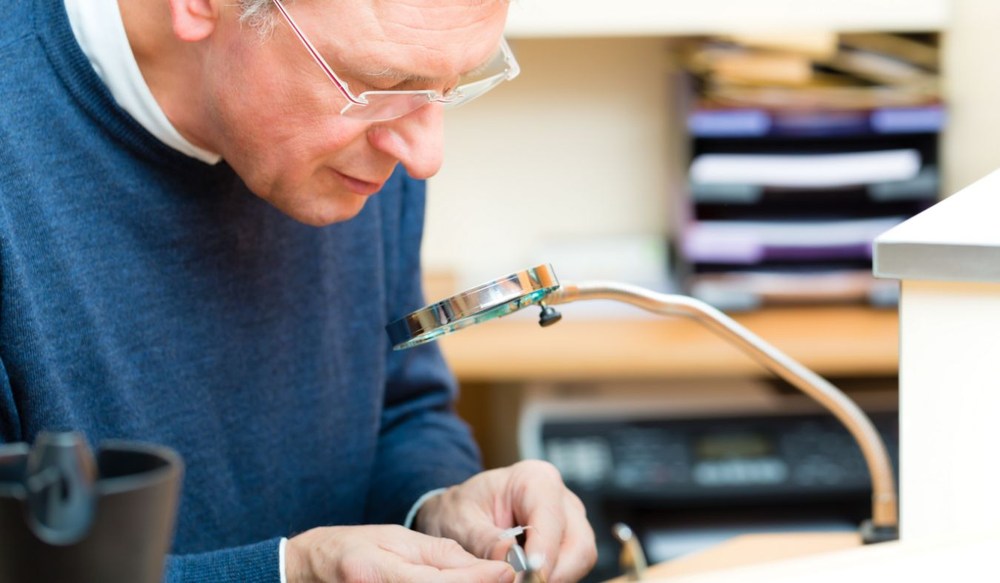
If one hearing aid suddenly sounds weak or stops working, don’t panic. A lot of the time it’s something you can fix yourself in a few minutes. Hold both hearing aids next to each other and compare them, since the one that’s acting up often looks a little different.

Then try these:

  • Look at the wax guard and the opening where sound comes out, and swap in a new guard if it’s clogged
  • Brush away any lint or gunk around the little microphone openings
  • Wipe the charging contacts with a dry cloth if it’s not charging like it should
  • Restart it the way your manufacturer’s instructions say to

Making Holiday Dinners Easier to Hear

Holiday meals get noisy fast. Several conversations, dishes, music and activity from the kitchen all compete with the person you are trying to hear.

Where you sit makes a difference. Try to stay close to the people you most want to talk with and away from the busiest doorway or kitchen area. Good lighting also helps because seeing someone’s face gives you extra context during conversation.

Small changes around the room help too. Turning down background music or lowering the television reduces some of the sound your hearing aids have to sort through.

If your devices include a speech-in-noise or restaurant program, this is a good time to use it. The exact effect depends on your hearing aids, but the setting may help give more emphasis to the conversation in front of you.

Getting Your Hearing Aids to Thanksgiving and Back

A little planning before you leave can save you a lot of trouble on the road. Pack your charger or spare batteries in the same bag you’ll have with you, not the one going in the trunk.

Any time your hearing aids come out, put them straight into their case instead of a pocket or napkin. If you’re flying, you can keep wearing them through airport security and on the plane.

At Hudson Valley Hearing Aid Center, we see patients in Lake Katrine, Poughkeepsie and Rhinebeck, New York. Before you head out, we can clean and check your hearing aids and make sure you have the supplies you’ll need while you’re away.

We want your hearing aids to make the whole trip with you, from the first stop on the Thruway to the drive home. Call us at (845) 481-9267 to schedule a visit before your trip.